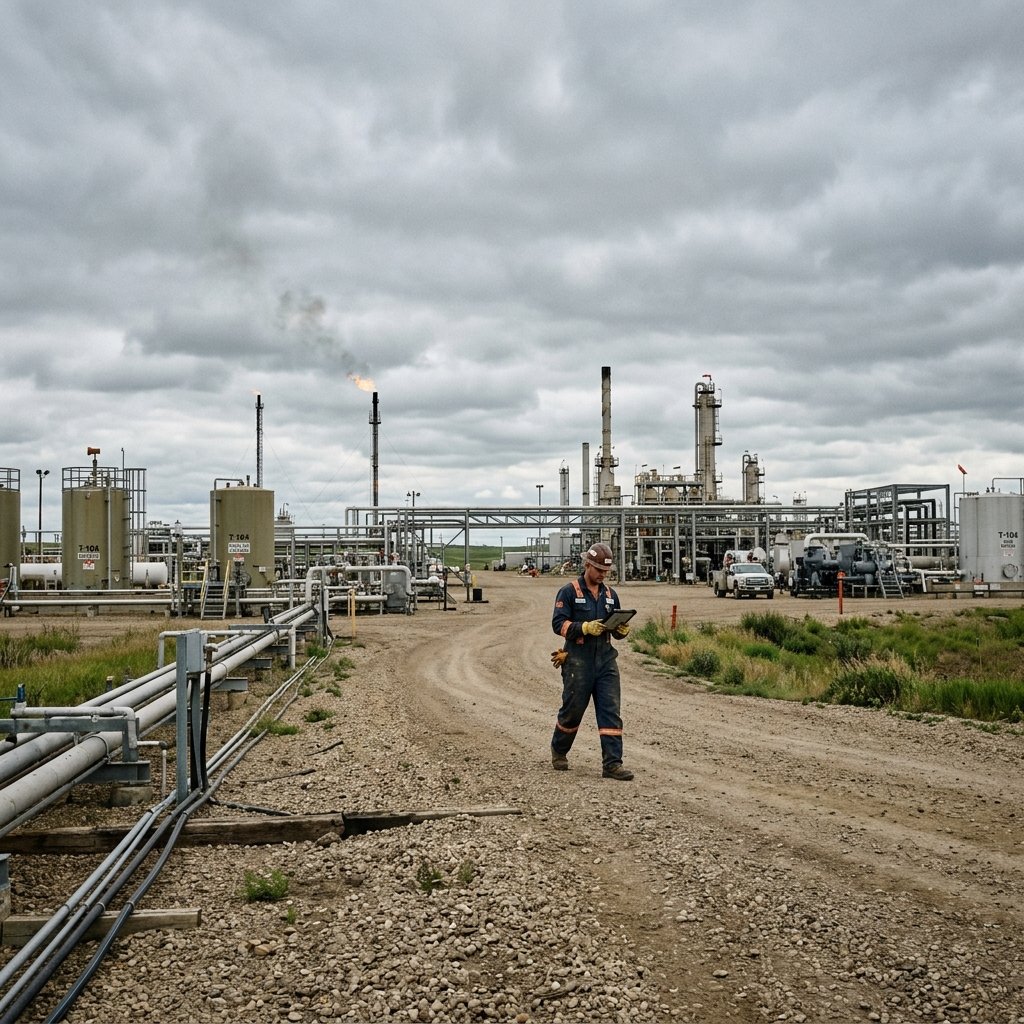
Most fluid hauling companies do not have a billing problem first. They have a field evidence problem. Tickets are captured in the truck, corrected by dispatch, approved by a customer contact, carried back to the office, then interpreted again by billing.
1. Treat the field ticket as the source of truth.
Every service line should be structured at capture: customer, lease, well, service, asset, driver, time, material, approval, exception, and photos. Free-form notes are useful, but they should not be the billing system.
2. Resolve exceptions before the truck leaves the job.
The highest-cost delay is not typing the invoice. It is finding a missing signature, unclear load count, or mismatched rate after the crew has already moved on.
Field-validated ticketing can move teams toward a days-to-invoice window measured in days, not weeks.
3. Connect dispatch, capture, approval, and invoicing.
When these stages live in separate spreadsheets, calls, and paper packets, no manager has a reliable view of invoice readiness. Execution-layer platforms such as OpsFlo close this loop by moving validated field records directly toward billing.
Estimate your own billing leakage.
Use your ticket volume, average ticket value, and billing lag to estimate annual exposure.
Run the assessment